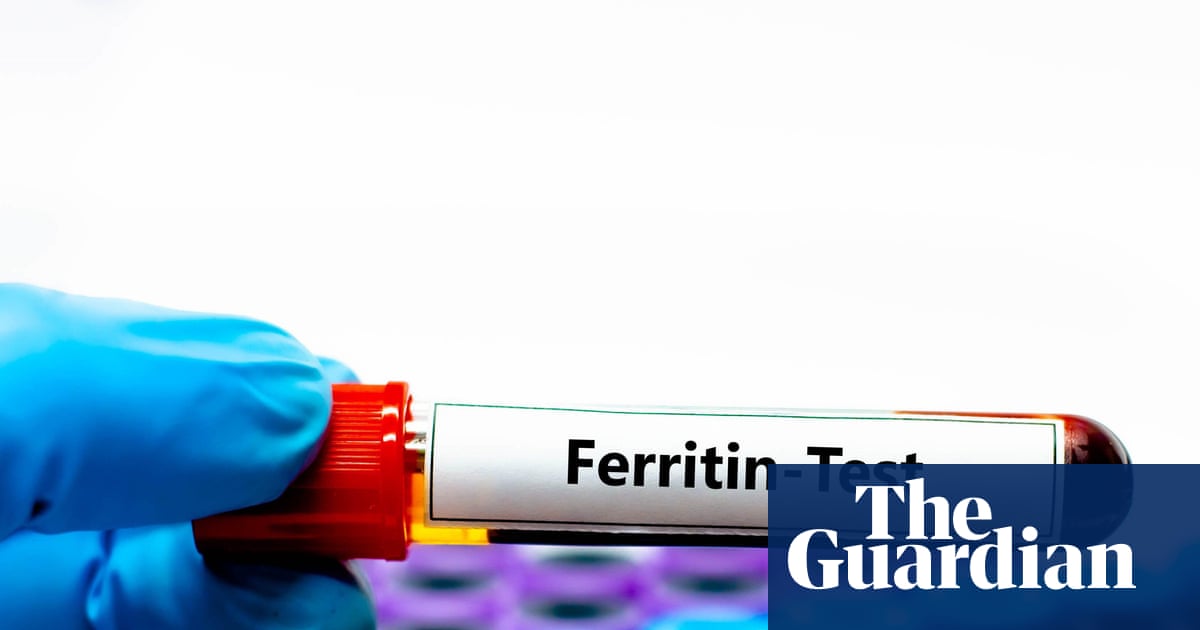
A TikTok trend in which users claim to spot low iron stores from facial appearance is being weighed against medical evidence, with The Guardian publishing an explainer on 28 October examining whether "ferritin face" reflects fact or fiction. The term, circulated widely by influencers, is used to describe pallor, shadows under the eyes, dry skin and thinning hair that posters say signal depleted iron reserves. The Guardian reports that doctors consider such features possible warning signs, but stress they have many other causes and cannot substitute for a blood test.
Why it matters
Iron deficiency is common and treatable, yet the trend's spread on social media raises the risk of people either misreading their own faces or missing a genuine problem. According to The Guardian, Toby Richards, a professor at the University of East London and the Iron Clinic, described low iron as a proper disease and said it is the leading cause of disability among women of reproductive age. Sue Pavord, professor of practice in medical haematology at Oxford University hospitals, told the paper that fatigue in women is too often treated as ordinary, and called for that to stop. Both specialists welcomed the attention the trend has brought to the condition, while a GP quoted by The Guardian cautioned that symptom lists online can lead people to assume a deficiency without confirming it.
What ferritin measures and where the thresholds sit
The body cannot manufacture iron, so it comes from food. Ferritin is the protein that holds iron in storage, chiefly in the liver, and releases it in a regulated way. A blood test for ferritin therefore offers a rough picture of how much iron the body has banked, though The Guardian notes that experts regard the reading as imperfect.
Guidance from the National Institute for Health and Care Excellence sets a ferritin level under 30 micrograms per litre as indicating deficiency. Pavord told The Guardian that a figure below 50 could also point to low iron. The symptoms influencers highlight — dark rings beneath the eyes, a grey cast to the skin, split lips, hair shedding — can stem from genetics, stress or dehydration as well as from iron status, the paper reports.
Pavord explained the biological reason low iron might show on the face: every cell in the body needs the mineral, so a shortfall leaves people exhausted and foggy, with skin that appears dull, slack and pale. She told The Guardian that a face alone cannot establish a diagnosis, but it may hint at one. Richards said the visible changes are most obvious in those with severely depleted stores, whom he described as the really unwell patients.
Causes, testing and the supplement question
Menstruation and pregnancy are the most frequent drivers of low ferritin, according to Pavord. Others include insufficient iron from diet or poor absorption, as can happen with coeliac disease, and blood loss from gastrointestinal problems such as gastritis or polyps. Athletes also appear on the list because of the demands training places on iron, she told The Guardian.
Richards said people at elevated risk — those with heavy periods, women who are pregnant or have given birth, and vegetarians or vegans — should request a blood test. He recommended a full blood count alongside ferritin and checks on B12 and folate. Pavord advised anyone worried about their levels to seek testing and, importantly, to establish why iron is low; she said older people in particular need a clinical assessment and investigations for bowel bleeding.
On self-treatment, Pavord told The Guardian that taking iron tablets without a confirmed deficiency is unlikely to cause harm, especially for young women who lose iron through menstruation. Richards warned that many over-the-counter products carry lower doses than treatment requires, and that a deficient patient needs a full therapeutic dose with blood results repeated after three months.
Asiya Maula, a GP at the private firm The Health Suite, urged caution about the trend itself. She told The Guardian that the danger with social media symptom lists is that people recognise themselves in them and conclude they have a deficiency without checking whether that is truly the cause.
The Guardian's coverage follows similar pieces from Stylist, Marie Claire UK, Yahoo Life UK and The Times, all published in the same news cycle, which suggests the phrase has moved from niche TikTok vocabulary into mainstream health reporting. Watch for whether medical bodies or the NHS respond with public guidance on ferritin testing, and whether platforms add context to the videos driving the trend.